
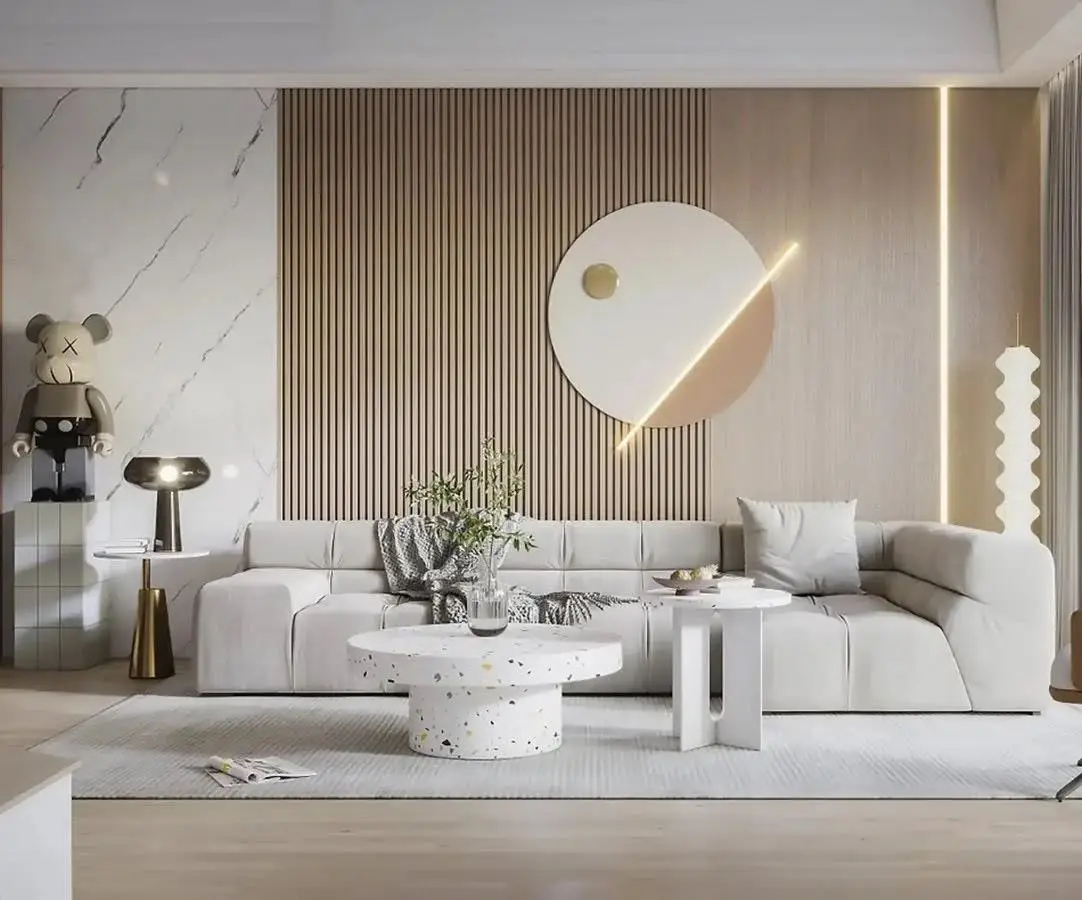
Learn how to mix materials like wood, marble, and velvet to create a layered, stylish interior. Master texture in interior design with tips from Dio Living.
Creating a well-designed space is all about balance—and one of the most effective ways to achieve it is by mixing textures and materials. From warm wood grains and cool marble to the luxurious touch of velvet, combining contrasting elements adds depth, character, and sophistication to your home.
At Dio Living, we believe great design is in the details. In this guide, we’ll show you how to master the art of layering materials, with expert tips to help you elevate any room using wood, marble, velvet, and more.
1. Start with a Neutral Foundation
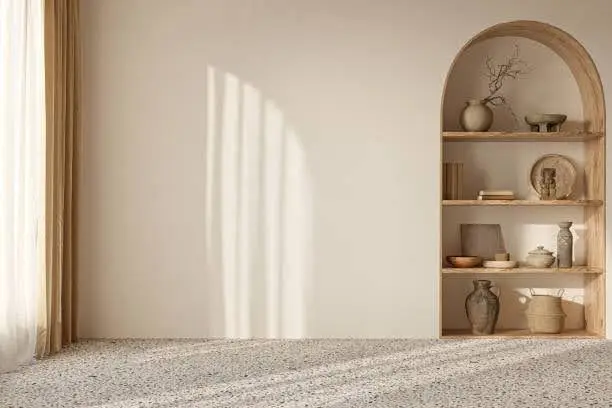
Begin with a neutral base—think soft white walls, light-toned flooring, or a simple area rug. This acts as a clean canvas where rich materials can stand out without overwhelming the space.
Neutral tones help unify diverse materials, allowing each texture to shine. For example, pairing a beige boucle sofa with natural oak flooring and ivory linen curtains helps set the stage for bolder pieces. The effect is a serene, spacious feel that enhances the visual appeal of every item layered on top.
2. Pair Opposites for Contrast
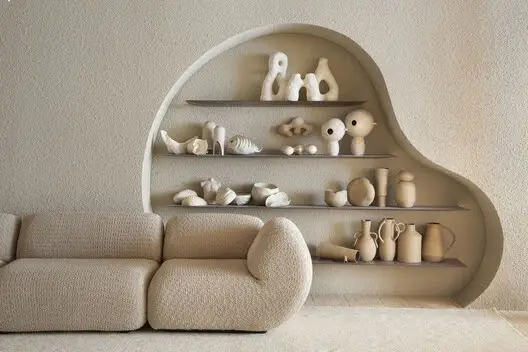
One of the secrets to mixing materials successfully is contrast. Combine hard and soft, matte and shiny, smooth and rough. This interplay creates visual interest and tactile variety that instantly enlivens a room.
Pairing opposites—like a glossy marble table with a velvet armchair—enhances each material’s character. Consider placing a chunky wood console beneath a brass-framed mirror or pairing woven rattan dining chairs with a solid travertine table. These dynamic duos keep the eye moving and make the space feel curated and engaging.
3. Highlight One Dominant Texture
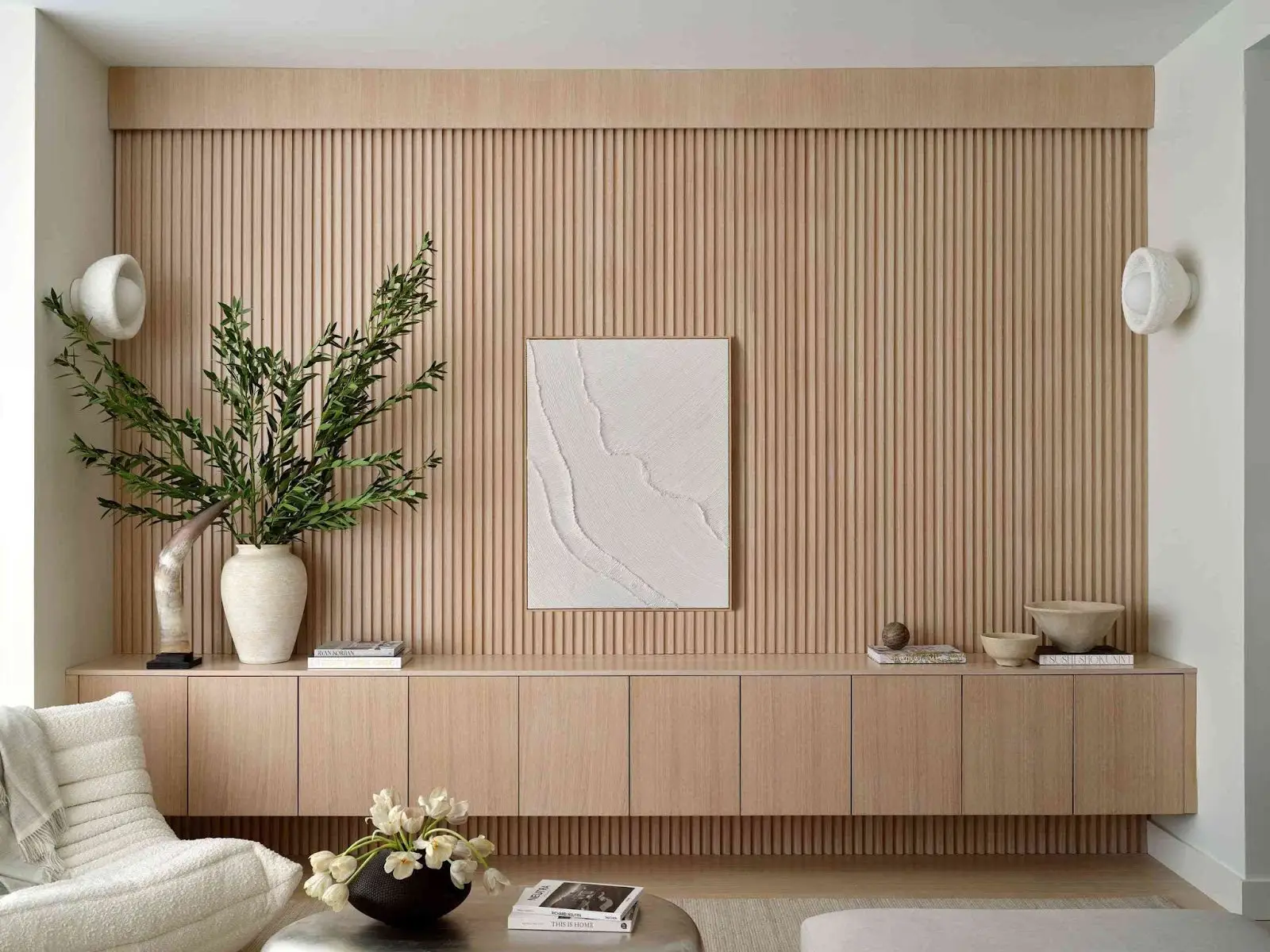
While mixing is key, it’s important to let one material take the lead. Choose a dominant texture—like wood—and use other materials to complement it without competing.
For example, a reclaimed wood dining table can anchor your space and be flanked by velvet chairs and ceramic lighting. This creates a balance of old-world charm and modern softness. By giving one texture prominence, you create hierarchy and reduce visual clutter.
4. Use Accent Pieces to Experiment
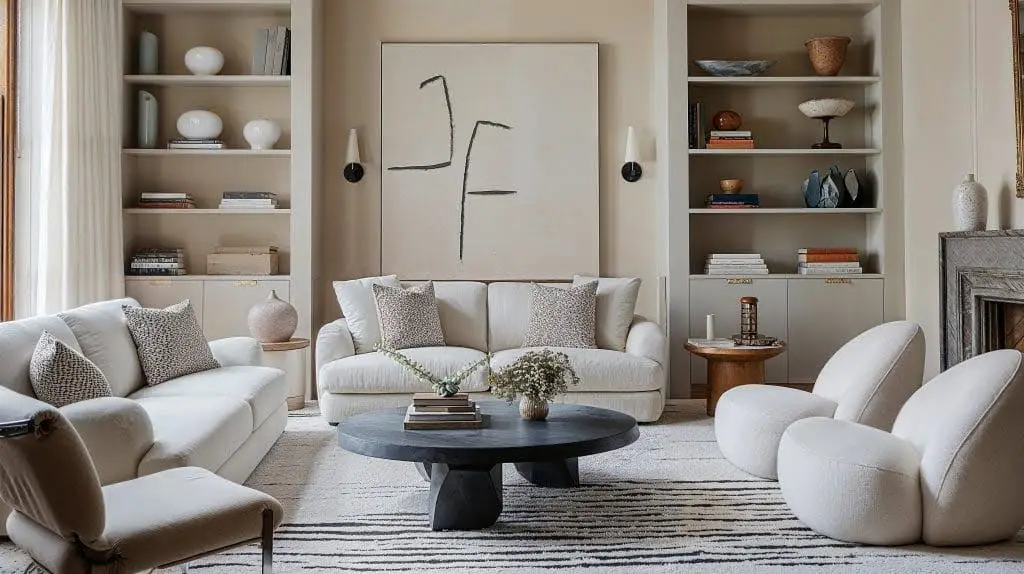
If you’re unsure about mixing materials, start with smaller accessories. Add trays, side tables, pillows, or planters in varied textures to test combinations.
Try introducing a marble tray on a wooden coffee table or a velvet cushion on a cane chair. These touches are easy to switch out, giving you flexibility to explore without overwhelming your space. It’s a practical way to find your style rhythm before committing to major design decisions.
5. Let Nature Inspire You
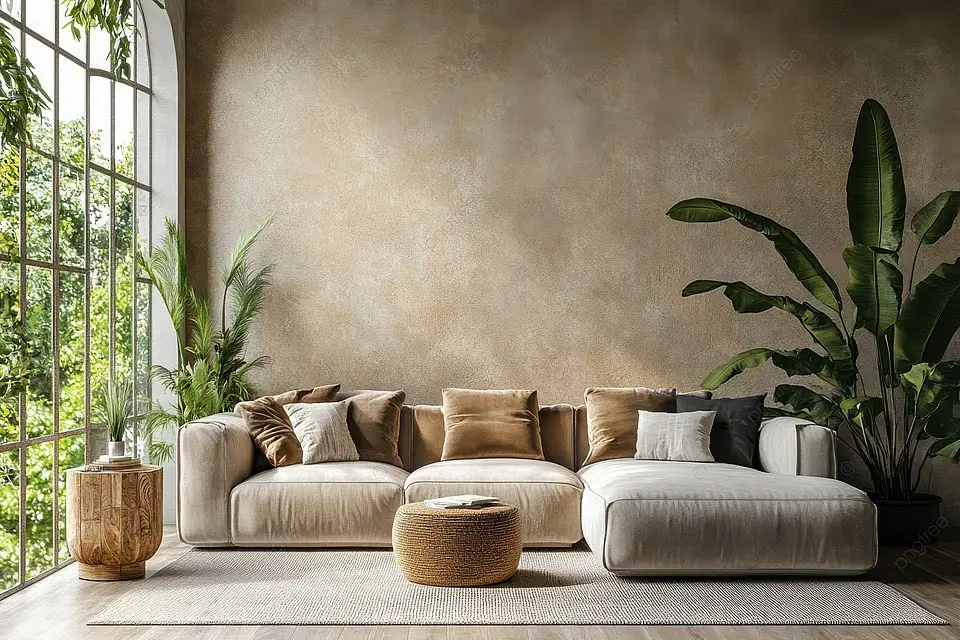
Natural materials like wood and stone have an organic synergy. Incorporating these textures builds a grounded, serene interior that connects you with the outdoors.
Blend elements like a teak bookshelf, a jute area rug, and stone vases to channel a nature-inspired palette. These tactile materials promote a sense of calm and authenticity, enriching the atmosphere of your home with earthy tones and textures.
6. Create Zones with Texture
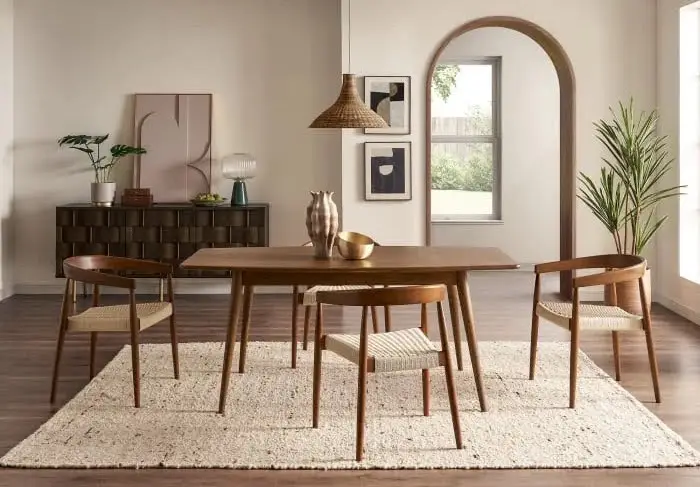
In open-plan layouts, textures help define separate functional areas without building walls. Use a velvet sectional to indicate a lounge space or a marble dining table to signal formality.
Place a wool rug beneath your sofa and a contrasting tile or textured wood beneath the dining area to visually separate the spaces. This textural zoning encourages better flow and makes each area feel purposeful and distinct.
7. Mix Tones and Finishes Within a Material
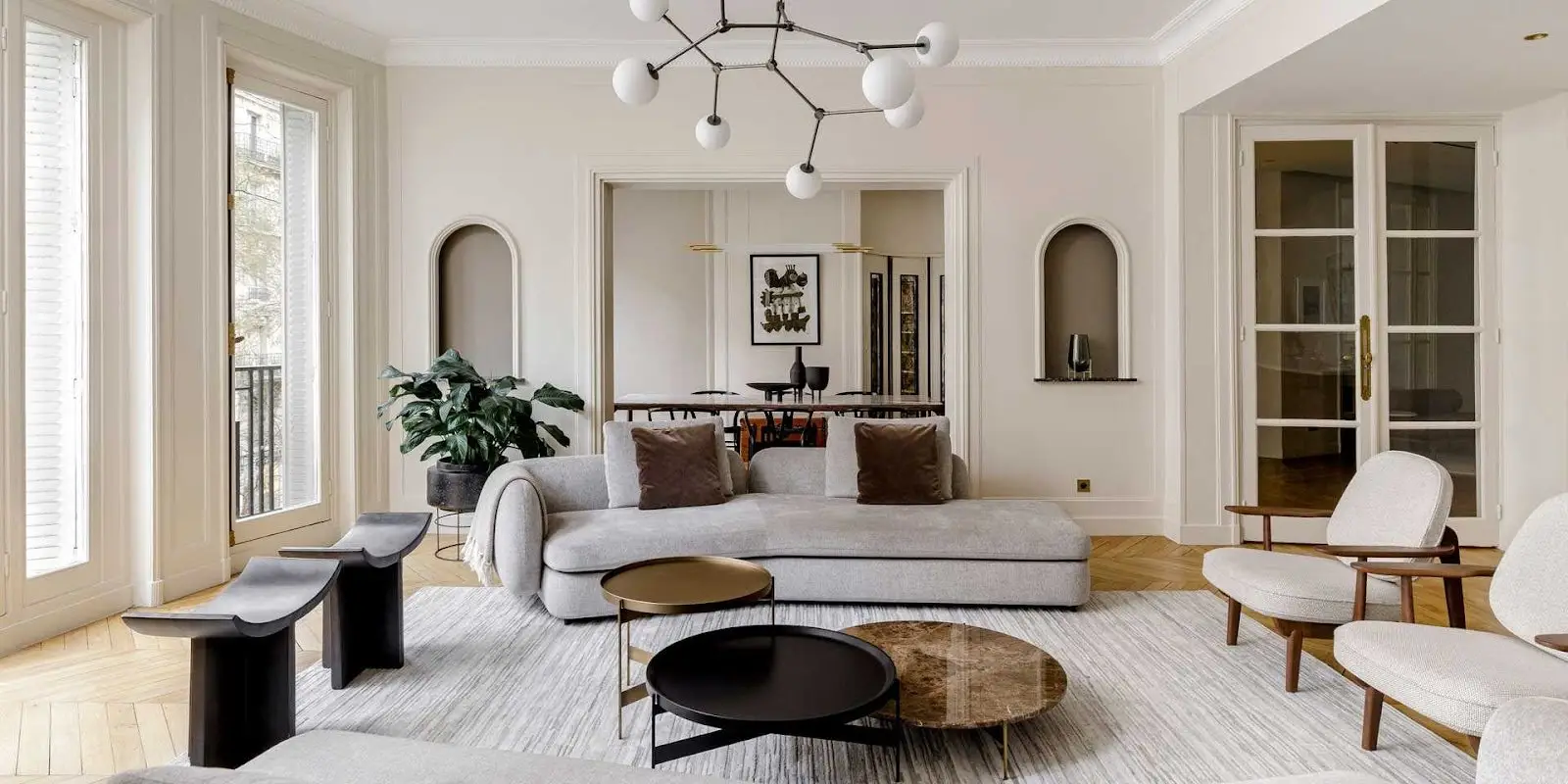
You don’t have to jump between materials to create interest. Mixing tones and finishes within a single category—like different wood stains or marble sheens—adds nuance and layers to your design.
Pair a walnut sideboard with light oak floating shelves or combine matte black marble with high-gloss white stone. The subtle shifts in finish create a rich sensory experience and help the eye travel through the room without chaos.
8. Balance Visual Weight
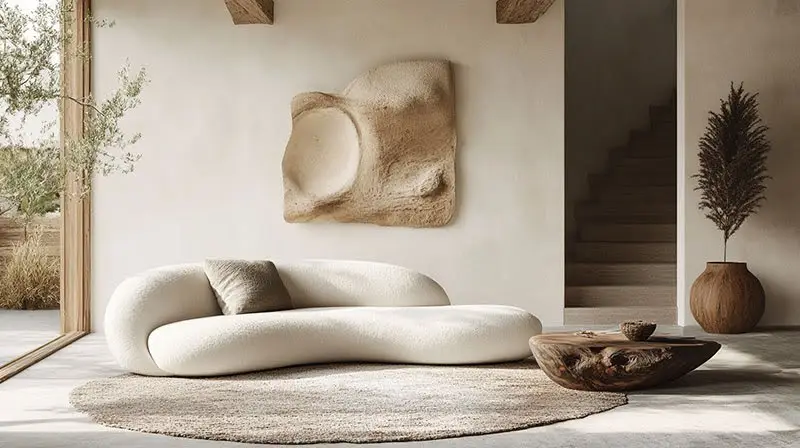
Materials carry visual weight. Dark wood and marble feel heavy; glass and linen feel light. Balancing these effects ensures your space feels anchored but not overpowering.
Try offsetting a dark-stained dining table with light upholstered chairs or placing a bulky marble coffee table next to a slim glass lamp. This thoughtful pairing maintains harmony while allowing statement pieces to shine.
9. Layer in Soft Touches
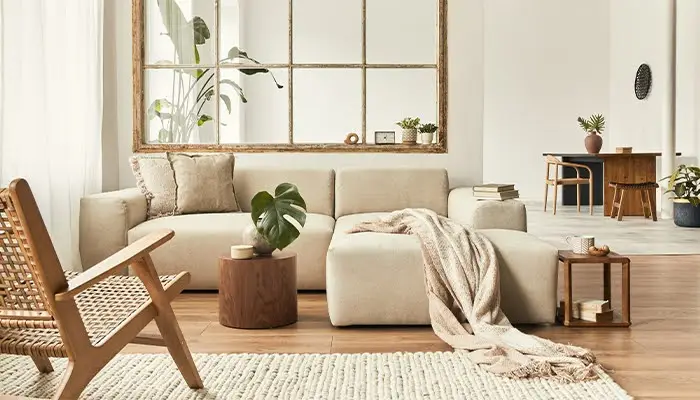
Hard materials like wood and marble provide structure but can feel austere. Layering in softness—through throws, rugs, or plush upholstery—adds comfort and warmth.
A velvet ottoman, wool throw, or chunky knit cushion introduces tactile balance. These elements not only soften edges but also enhance the inviting feel of a room, making it more livable and welcoming.
10. Stay True to Your Style
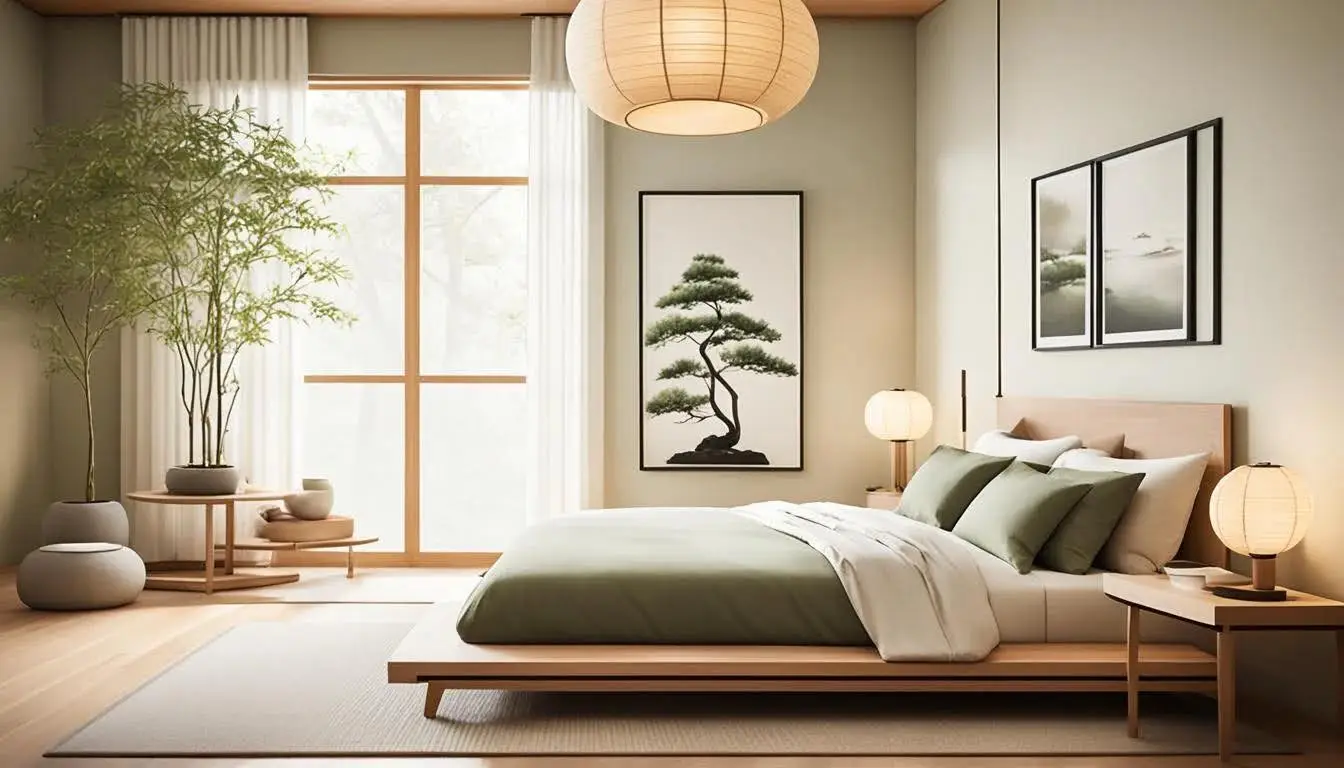
Above all, your material mix should reflect your personal aesthetic. Whether you’re drawn to minimalism or eclectic luxury, consistency in your vision brings unity.
For example, if you favor modern industrial design, mix metal and leather with reclaimed wood. If your style is more soft contemporary, blend velvet, marble, and pale wood. Staying aligned with your taste ensures your interiors feel authentic and intentional rather than chaotic or trendy.
Conclusion
Mastering the mix of materials is a game-changer for interior design. It’s how you turn a room from ordinary to extraordinary—layering warmth, elegance, and personality.
Explore Dio Living’s curated collections to find pieces that combine wood, marble, velvet, and beyond—helping you design a home that feels rich, inviting, and uniquely yours.